

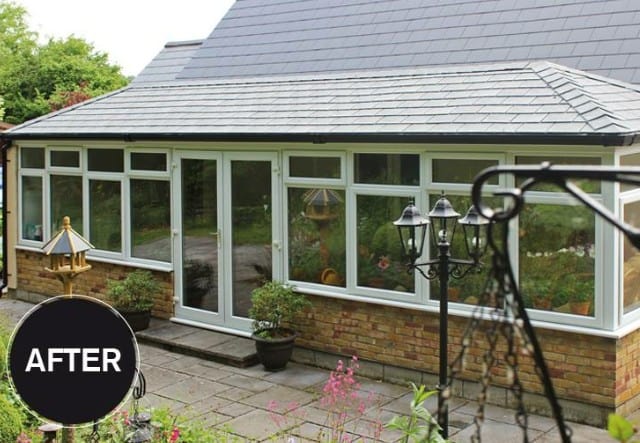
Many locations in the North East are naturally situated by the sea, which makes it a beautiful part of the UK. However, this creates a number of maintenance tasks you need to be aware of, as well as potential damage to your conservatory if you don’t maintain it correctly. We take a look at all of the considerations for conservatory maintenance for properties across the North East.
We are one of the leading designers and installers of conservatories in Newcastle. Get in touch with our team today to arrange for your free quotation.
| Maintenance Item | Why It Matters | North East / Coastal Consideration | Recommended Frequency |
| uPVC frames & sills | Grime, algae and UV exposure gradually dull and weaken the finish. | Salt-laden air along the coast (Whitley Bay, Tynemouth, South Shields, Seaham) speeds up discolouration and “chalking” of white uPVC. | Clean 2–3 times a year; monthly within about a mile of the coast |
| Roof panels (tiled, glass or polycarbonate) | Moss, algae and grime reduce light transmission and can trap moisture. | Airborne salt settles on glass and polycarbonate as a fine haze, dulling light and etching the surface if left unwashed | Inspect twice a year; wash quarterly on coastal properties |
| Metal fixings, screws, brackets & hinges | Standard steel fixings corrode over time, weakening joints. | Salt spray dramatically accelerates rusting of untreated steel; coastal installations should use stainless steel or A4 marine-grade fixings. | Inspect annually; sooner if visible rust appears. |
| Flashing & roof-to-wall seals | Failed flashing is one of the most common causes of leaks. | Wind-driven rain from North Sea gales puts more stress on flashing joints than typical inland weather. | Check after any named storm and annually otherwise. |
| Guttering & downpipes | Blocked gutters cause overflow, staining, and water ingress at the roof edge. | Salt-sand grit blown up from the coast, combined with leaf fall in Northumberland’s more wooded areas, clogs gutters faster here than in drier inland regions. | Clear at least twice a year (spring and autumn). |
| Sealant & weatherstripping | Perished seals let in draughts and water. | Salt exposure plus colder winter freeze-thaw cycles inland (Northumberland, County Durham) cause the sealant to crack sooner. | Inspect annually, ideally before winter. |
| Ventilation & trickle vents | Poor ventilation drives condensation and mould. | The North East’s generally higher rainfall and humidity increase the risk of condensation compared to drier parts of the UK. | Check that vents are clear every season. |
| Glazing (glass or polycarbonate) | Salt and grime left on the surface can permanently etch and pit some materials. | Coastal properties need gentler, non-abrasive cleaning more often to prevent salt from etching the surface over the long term. | Clean quarterly on the coast; twice yearly inland. |
| Structural fixings & wind loading | Loose fixings under high wind load can lead to panel or tile displacement. | Exposed coastal towns and higher ground in Northumberland see stronger gusts during autumn/winter North Sea storms. | Visual check after any severe storm. |
| Snow & ice accumulation | Excess weight on a roof can stress the structure and fixings. | Rural and inland areas (Northumberland uplands, County Durham) tend to see heavier snowfall than the immediate coast. | Clear accumulated snow where it can be done safely during winter. |
| Timber components (older conservatories) | Untreated timber is vulnerable to rot. | Damp regional climate combined with salt exposure near the coast accelerates decay. | Treat and inspect annually. |
| Roof insulation performance | Degraded insulation raises heating costs and increases the risk of condensation. | Worth checking after storm damage or several years’ use, particularly on solid/tiled roofs relied on for year-round use. | Every 2-3 years, or after any roof damage. |
The Problems With Sea Weather and Water
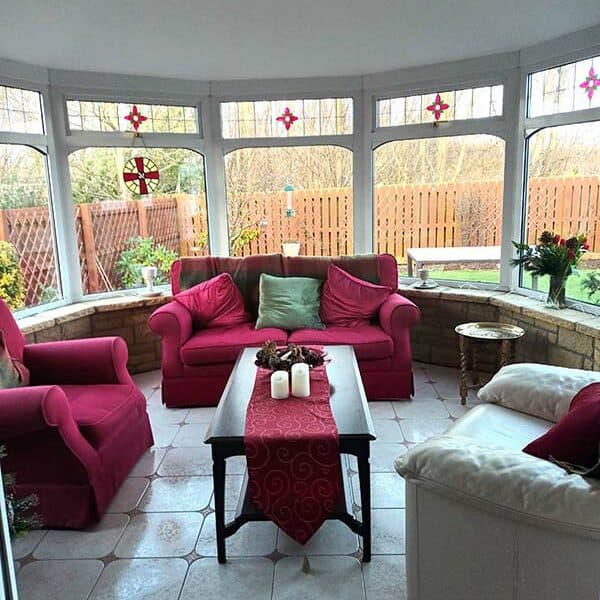
Sea weather and water cause two big problems. Firstly, salt air can damage the conservatory structure over time without specialist care and attention, and without understanding the potential issues it can cause.
Fresh-water rinsing, specialised sealants, anti-corrosion measures, and monitoring materials that aren’t naturally resistant are extremely important maintenance practices. Gentle soap cleaning is great for materials such as UPVC, whereas for other materials you will need to be careful and consider specialised cleaning products if needed; you may even want to replace metals with stainless steel, for example.
The other problem is the potential for extreme weather. The sea becomes stormy due to strong winds, low air pressure, and temperature differences between the air and water. If there are severe storms, you need to check your conservatory afterwards for any damage. Such as smashed or damaged glazing from debris, inspecting roof panels, and clearing guttering of any debris. Temperature changes can also cause condensation to form on the conservatory glazing, especially with rapid shifts.
Getting Into a Good Conservatory Maintenance Schedule
With all of these considerations, it’s very important to get into a good maintenance schedule, but with these additional issues, it’s even more important to stick to it.
Roof & Panel Inspection: Check annually for cracked glass, slipped polycarbonate panels, or damaged seals to prevent leaks.
Gutter Clearance: Remove leaves, moss, and debris from gutters and downpipes at least twice a year to avoid overflow.
Frame & Glass Washing: Wash frames, window panes, and roofs with warm, soapy water and a soft sponge every few months; avoid abrasive cleaners.
Seal & Weatherstripping Checks: Inspect rubber gaskets and silicone seals for cracks or shrinkage, replacing them promptly if drafts appear.
Hinge & Lock Lubrication: Apply a light silicone-based spray or WD-40 to all door and window hinges, handles, and locks once a year.
Ventilation Management: Open roof vents and windows regularly or run a dehumidifier to control indoor humidity and prevent mould growth.
Drainage Hole Clearing: Ensure weep holes (small drainage slots on the outside of window and door frames) are clear of dirt so trapped water can escape.
Adapting For Each Season
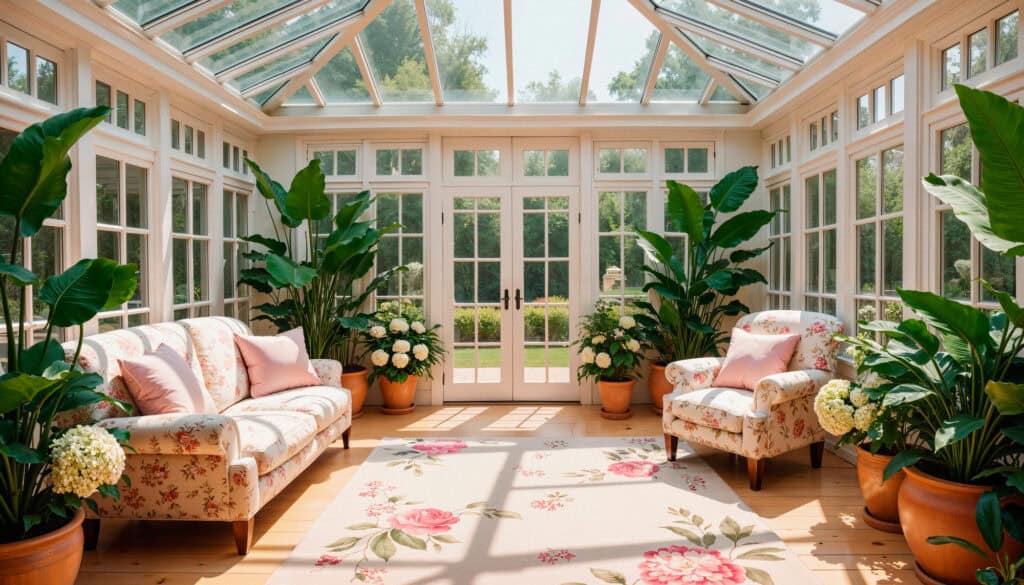
The seasons provide a good timeframe to adjust your maintenance schedule, so plan your maintenance for each season. Summer is the easiest, as you will have mild weather and you shouldn’t experience too many storms. Winter is going to be the most difficult, with issues such as snowfall in some areas in the North East UK as well as more extreme weather conditions.
Autumn and Spring are milder, but you will still want to watch out for debris as leaves clear and as they appear. Sea salt is an all-year-round issue; there will be increased salt in the air during storms, but you will still get constant salt in the air regardless of the wind. You should also make sure you have a clear schedule for extreme weather, as some seasons now have more extreme weather than ever, which is unusual for each season.
Combating Leaks
Leaks are one of the most damaging issues for a conservatory, especially if a lot of water gets in. Leaks are most likely after a storm, when water gets into damaged areas. Polycarbonate roofs are also susceptible to leaking, so you should always replace an older polycarbonate roof. Check after any major storm, and also check roof-to-wall seals, as they are your first line of defence against major leaks. Leaks can also cause condensation and mould.